
Historical Second Committee
OPEC Oil Crisis (1973)
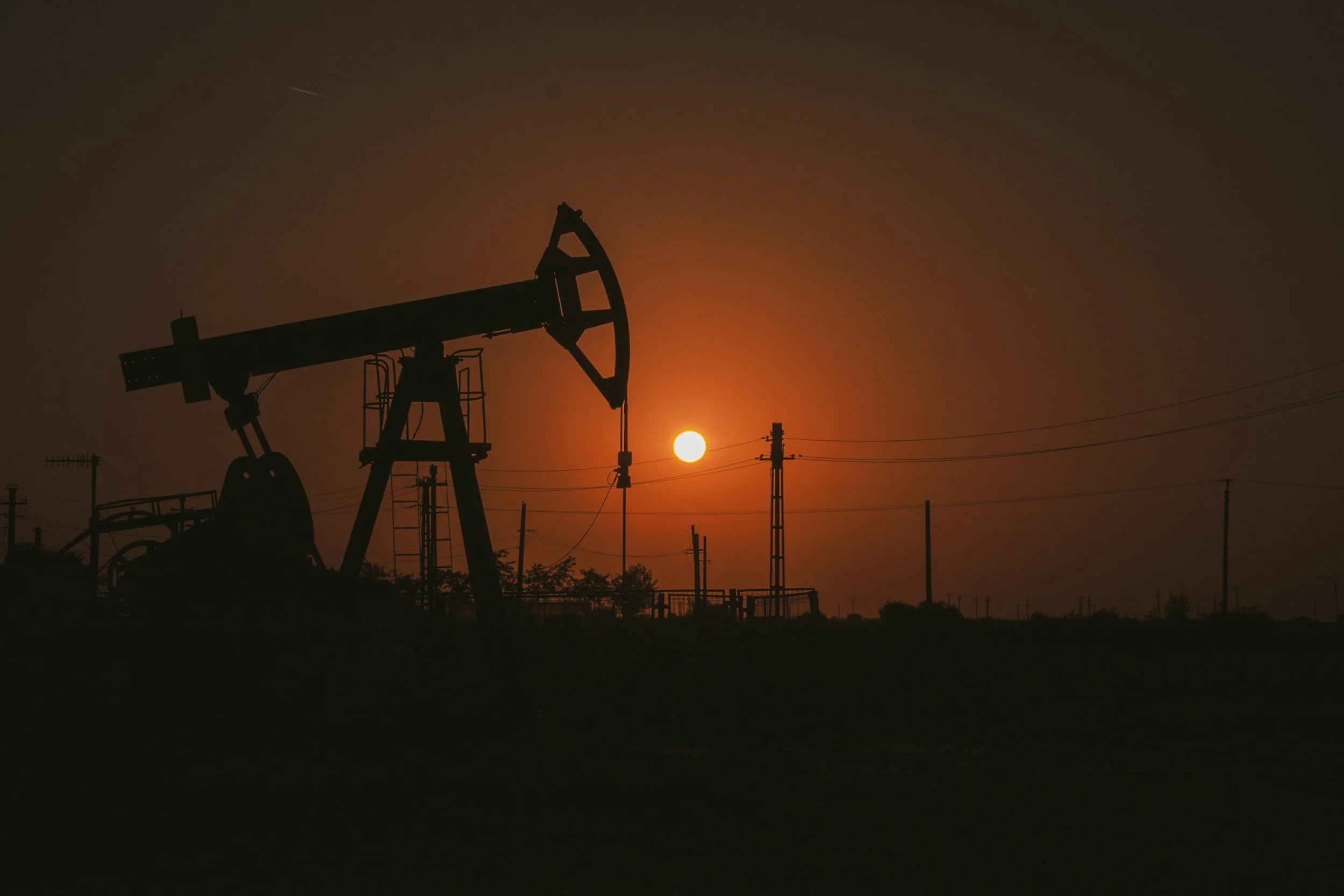
In October 1973, the Organization of Arab Petroleum Exporting Countries imposed an oil embargo against nations perceived as supporting Israel in the Yom Kippur War, triggering an economic shockwave felt across the entire industrialized world. Within months, crude oil prices quadrupled, fuel shortages paralyzed Western economies, and the fragility of a global order built on cheap, abundant energy was laid bare. This committee convenes at a moment of acute crisis that has exposed the profound vulnerabilities of nations whose economic infrastructure remains wholly dependent on a single commodity. Delegates must determine how the international community can stabilize energy markets, ensure equitable access to critical resources, and prevent the weaponization of commodity supply chains from destabilizing the peace. The Second Committee also confronts the strain placed upon the international monetary system in the embargo's wake. The collapse of the Bretton Woods framework only two years prior has left global currency markets ill-equipped to absorb the inflationary pressures and balance-of-payments crises now rippling through developed and developing nations alike. Petrodollar recycling, soaring import costs, and the growing debt burdens of the Global South demand urgent multilateral attention. Delegates must evaluate the roles of the International Monetary Fund and World Bank in providing relief, while grappling with the deeper structural inequities that this crisis has thrown into sharp relief.
The Second Committee thus faces a dual mandate: to address the immediate economic disruption of the embargo while laying the groundwork for a more resilient and just international economic order. Delegates must navigate the competing interests of oil-producing states, industrialized consumers, and developing nations caught in the crossfire and forge agreements that bring lasting stability to an anxious and interconnected world.